New Research on Cognitive Health Points to a Simple Daily Habit Neurologists Say Most People Overlook
A growing body of cognitive-aging research suggests that a decades-old mental habit may support long-term brain health — and it has nothing to do with pills or supplements.

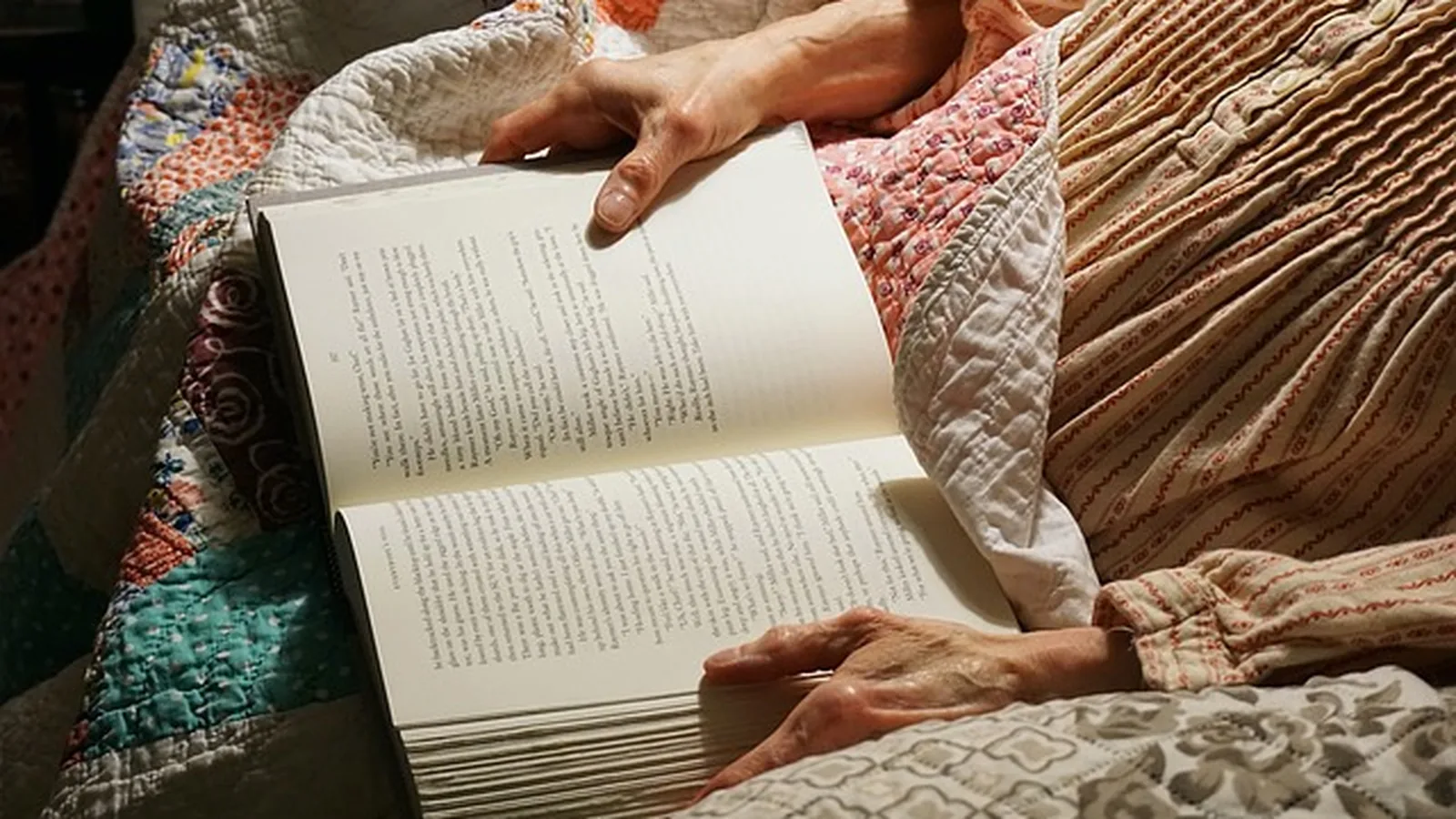
Cognitive decline now affects an estimated 6.7 million older Americans age 65 and up, according to leading aging-research organizations — a figure projected to nearly double by 2050 as the population ages. For years, most public conversation around brain health has centered on medication, supplements, and costly clinical treatments. But a quieter, growing body of research has focused on something far simpler: what people do with their minds every day.
Neuroscientists call it "cognitive reserve" — the brain's capacity to improvise alternate pathways when its usual networks are disrupted. Studies published in journals such as JAMA Neurology and The Lancet have repeatedly linked sustained mental engagement — reading, learning new skills, and structured recall practice — to a lower risk of measurable cognitive decline. The theory isn't that these habits prevent disease outright. It's that a brain regularly asked to work appears to build more resilient connections to draw on later in life.
Why Reading and Structured Recall Practice Keep Coming Up
Of all the lifestyle factors researchers have studied, structured reading and active recall practice stand out for a simple reason: they're accessible to almost anyone, regardless of income, mobility, or location. Unlike clinical interventions, a focused daily reading and recall habit can be started today, at any age, with no prescription required.
"The brain doesn't stop being able to form new connections as we age — it simply needs to be asked to." — Sarah Whitfield, Health & Aging Correspondent

3 Habits Researchers Associate With Long-Term Cognitive Health
- 1Active, structured readingReading with intention — pausing to summarize or recall what was just read — engages more of the brain than passive scrolling.
- 2Consistent, quality sleepMuch of the brain's cognitive consolidation happens during deep sleep, according to sleep researchers.
- 3Regular social engagementConversation requires rapid recall and language processing — a natural cognitive workout.
Researchers are quick to caution that no single habit is a guaranteed shield against age-related cognitive decline — the underlying causes are complex, and genetics, cardiovascular health, and many other factors play a role. But for readers looking for a concrete, low-cost way to put "cognitive reserve" research into practice, many are starting with structured reading and recall exercises.
Recommended Reading
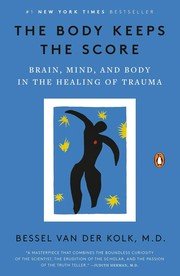
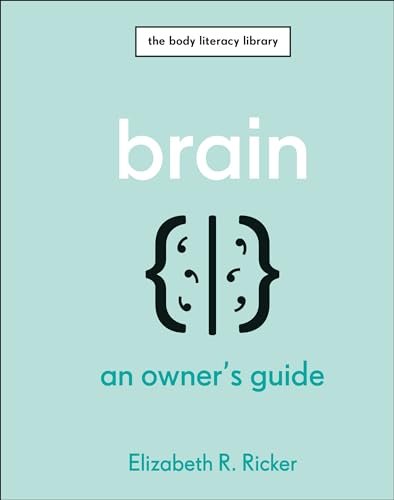
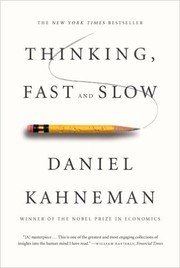
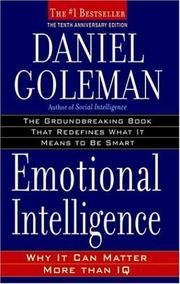
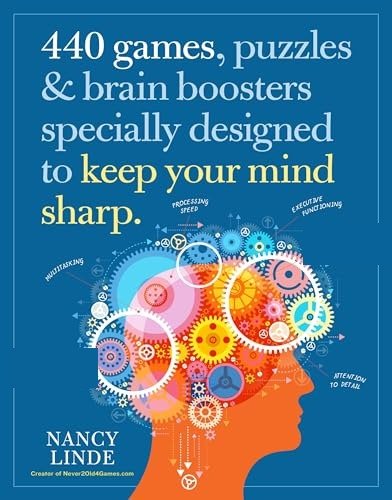
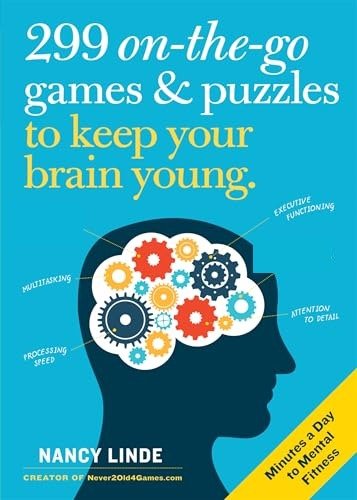
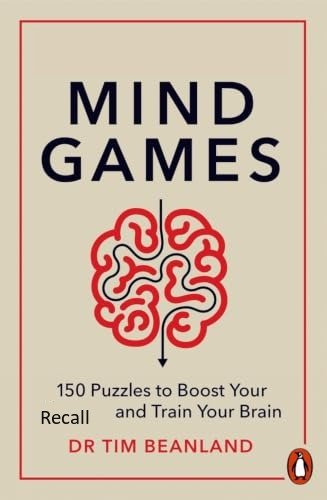
Our editorial team rounded up a few reader favorites that pair well with the habits above — from foundational books on how the mind works to hands-on puzzle collections for daily practice.
Books on the Mind & Brain
Games & Puzzle Books
Find Your Cognitive-Boosting Match
Answer 3 quick questions and we'll point you to the resource our readers with similar goals found most useful.
What brings you here today?
What's your age range?
How do you prefer to train your mind?
Your Personalized Picks
As an Amazon Associate, The Cognitive Health Report earns from qualifying purchases. Prices and availability are accurate as of the publish date and are subject to change.
This quick quiz is for general content personalization only. It is not a medical assessment and does not diagnose any medical condition. If you have concerns about your cognitive health, please consult a licensed healthcare provider.
What This Means for You
The research on cognitive reserve is still evolving, and no book, app, or habit can replace medical care. If you or a loved one are noticing cognitive changes that concern you, the most important step is speaking with a licensed healthcare provider — the habits described above are meant to complement medical guidance, not substitute for it.
For readers simply looking to be proactive about brain health, though, the appeal of structured reading and recall practice is its simplicity: it costs little, requires no special equipment, and can be started today.
Get The Body Keeps the Score on Amazon →
Sarah Whitfield
Sarah has covered cognitive health and healthy-aging research for The Cognitive Health Report for over a decade. This article was medically reviewed by James Coleman, MSN, RN for accuracy.
This article is for informational purposes only and is not a substitute for professional medical advice, diagnosis, or treatment. Always seek the advice of a qualified health provider with any questions you may have regarding a medical condition. This page contains sponsored content and affiliate links; see our Advertising Disclosure.